
Helping Kids Grow: Why Hands-On, Active Therapies Are Transforming Youth Programs
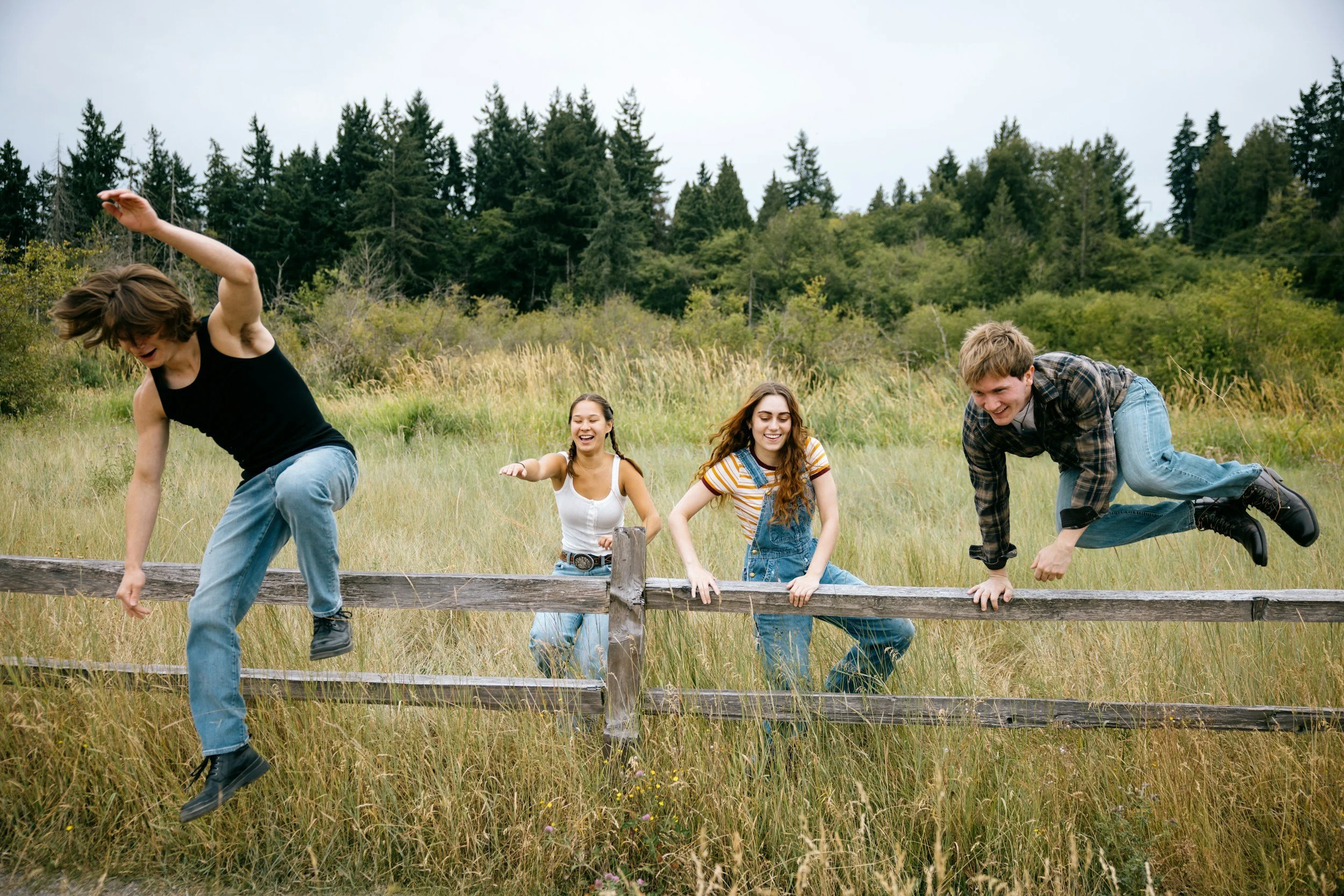
Parents and professionals alike are always searching for approaches that truly help kids and adolescents grow, heal, and make meaningful changes. Increasingly, experiential therapy is a foundational aspect to many programs and schools. An umbrella term that includes art, music, fitness and gym-based interventions, equine or animal-assisted therapy, dance and movement therapies, volunteering, outdoor programs, and more—is proving to be one of the most effective ways to reach young people. Instead of relying only on conversation, experiential therapy invites students to learn through action, engagement, and real-world experiences. For youth who struggle to sit still, articulate emotions, or connect traditional talk therapy to their daily lives, these active methods can open doors where other approaches fall short.
Research consistently supports the impact of experiential methods on emotional regulation, confidence, motivation, and relationship skills. Outdoor behavioral health research, for example, has shown significant improvements in resilience, self-efficacy, and mental health symptoms among adolescents who participate in structured, therapeutically supervised outdoor and adventure activities. Similarly, evidence-based studies in animal-assisted therapy demonstrate reduced anxiety and increased emotional awareness, while dance and movement therapies have been linked to improved mood, body awareness, and trauma processing. Fitness and gym-based therapeutic programs help students channel energy constructively, build mastery, and experience success in ways that translate directly to improved self-esteem and healthier coping strategies.
For parents and professionals, the takeaway is clear: experiential therapy works because it’s engaging, memorable, and deeply connected to the way young people naturally learn. Whether a student is caring for a horse, completing a team challenge outdoors, expressing emotions through dance, or building strength and confidence in a gym, these experiences help them practice communication, resilience, and emotional regulation in real time. When programs and schools integrate these approaches, they offer more than support—they offer transformation. If you’re looking for methods that help kids and adolescents grow in lasting, meaningful ways, experiential therapy stands out as a powerful, research-supported approach that brings change to life.