
Before We Blame AI
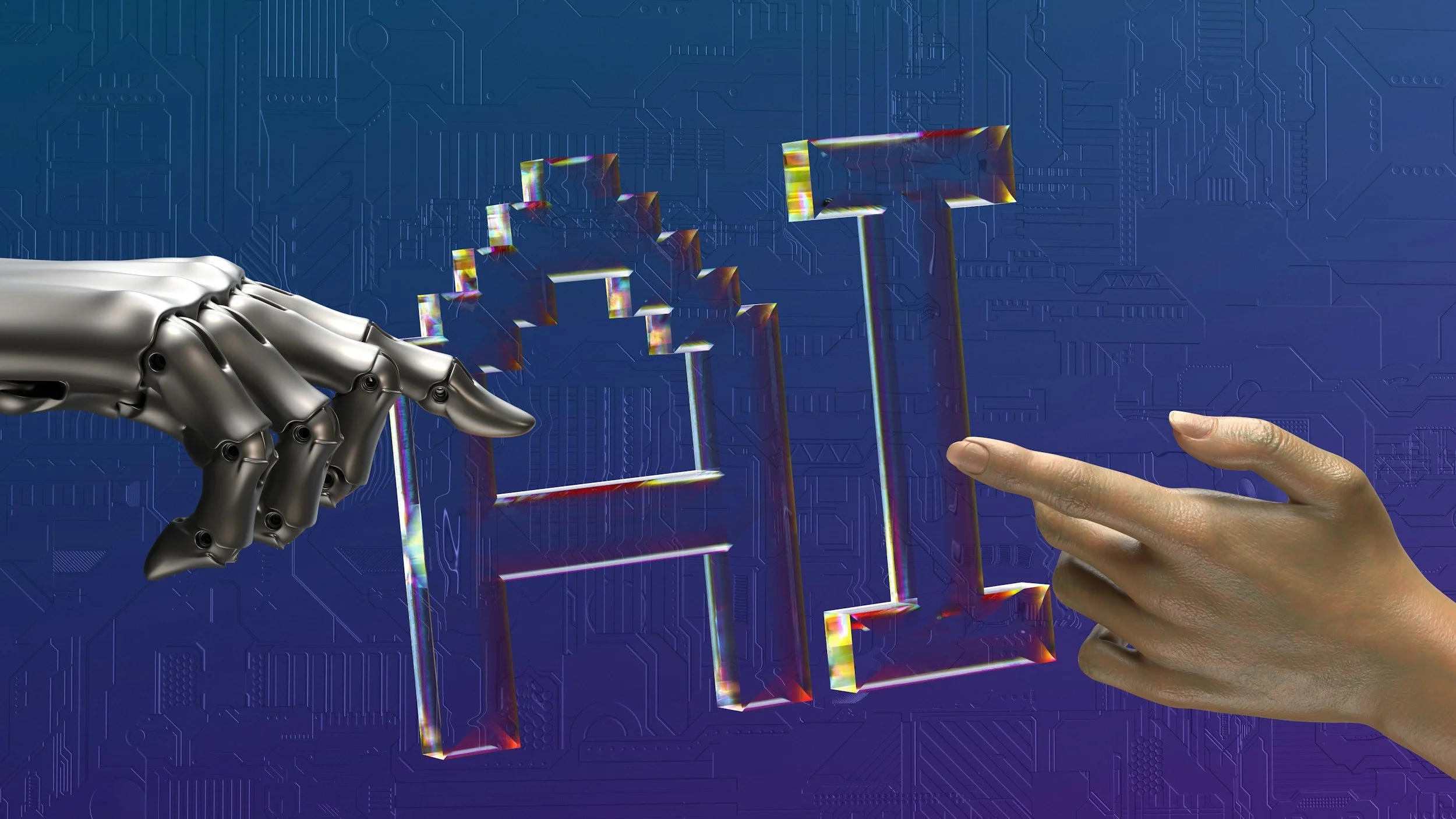
Hardly a day goes by without another warning that Artificial Intelligence is undermining our students' ability to learn. Yet AI may have become the newest scapegoat for a deeper, more uncomfortable truth: our educational system—and, in many cases, our parenting culture—has quietly deprioritized the foundational skills required to develop independent thinkers.
Perhaps, rather than placing blame on chatbots, we should return our focus to the basics: the traditional Three R's—reading, writing, and arithmetic. These are the very tools required to navigate what is inevitably becoming our AI-driven world. They are the foundation of critical thinking.

Reading, writing, and mathematics matter not simply because of the content they teach, but because they require students to concentrate, organize their thinking, solve problems, and persist through difficulty. Wrestling with challenging texts, organizing complex ideas, and solving difficult problems cultivate sustained attention, logical reasoning, persistence, and cognitive flexibility. These mental habits form the foundation of executive functioning—the collection of skills that enables students to apply everything they learn.
Unfortunately, many of the experiences that once developed these skills have disappeared. Rather than encouraging students to work through difficulty, we increasingly remove obstacles for them. Digital tools can unintentionally accelerate this trend by making information instantly available and reducing opportunities to practice planning, decision-making, self-regulation, and persistence. Executive functioning doesn't disappear overnight—it simply goes underdeveloped when life offers too little cognitive resistance.
By removing opportunities for productive struggle, we rob students of the very experiences that build confidence—because confidence comes not from avoiding difficulty but from mastering it.
Executive functioning is shaped by experience, which means it can—and must—be developed. For students preparing for college, the stakes are especially high.

The transition from high school to college is where the scaffolding begins to disappear. A student may arrive with a pristine transcript, but college immediately tests something different: whether students can manage their time, organize long-term work, seek help when needed, and advocate for themselves. Academic achievement may earn admission, but executive functioning often determines whether students are successful.
For many parents, stepping back feels irresponsible. Yet the goal isn't simply to get our children into college—it's to ensure they thrive once they are there. Every obstacle we remove is one less opportunity for them to build the independence they'll eventually need.
Want to help your high schooler? Gradually shift from being your child's manager to becoming their advisor. Coaching should replace rescuing. Let them manage their schedule, advocate for themselves, solve problems before you step in, and experience the natural consequences that build confidence and executive functioning.

Artificial intelligence will continue to reshape education, and students should learn to use it thoughtfully and responsibly. But AI isn't the first problem we need to solve. Before we worry about what AI may do to our children, we should make sure they have developed the skills no algorithm can replace: the ability to think critically, solve problems independently, manage themselves, and advocate for their own success. Those skills have always mattered. In the age of algorithms, they matter more than ever.